- Details
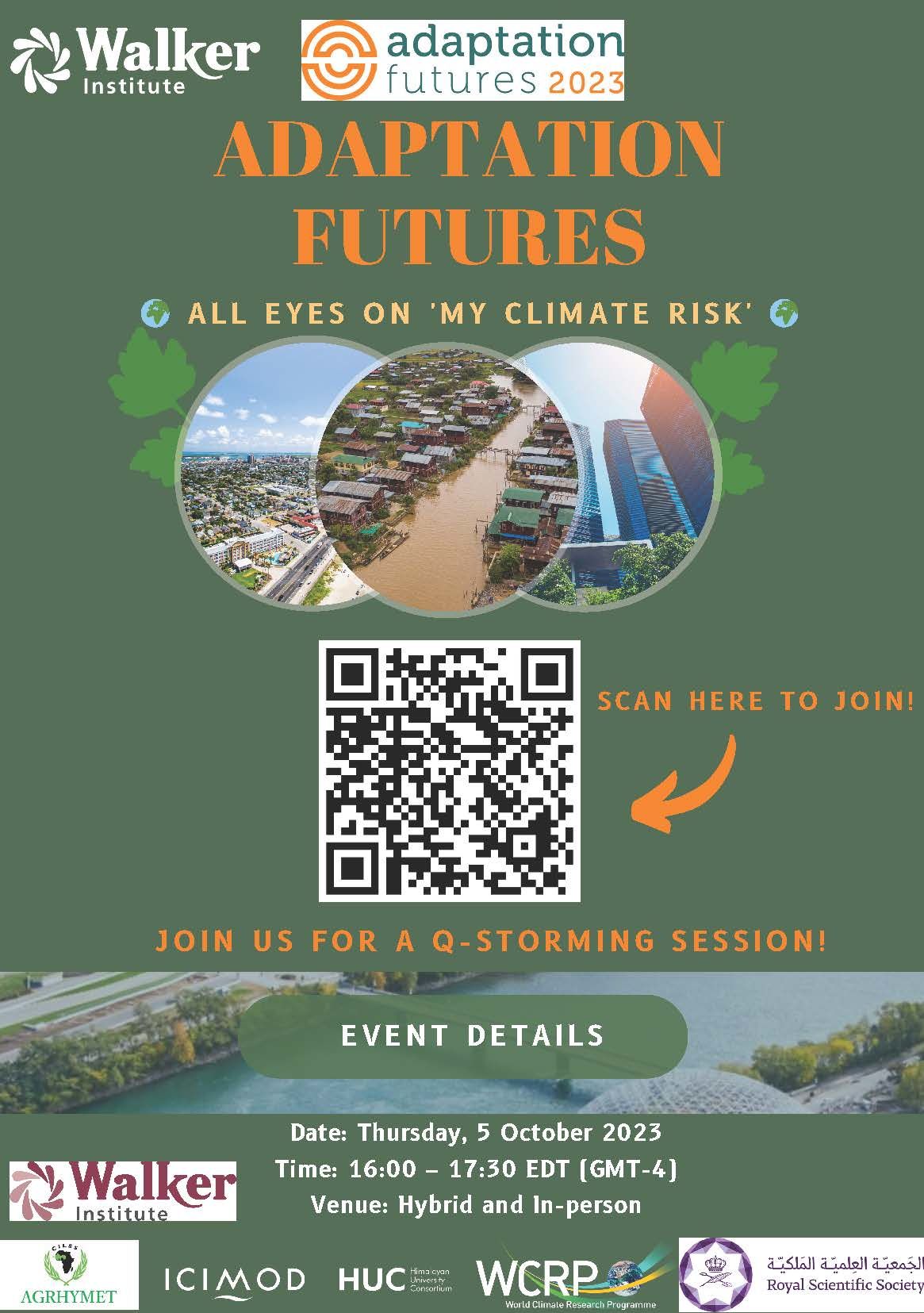
The Walker Institute is organizing this side event at the Adaptation Futures 2023 conference in Montreal, Canada. The event will explore ways to bridge science and socio-political action, addressing multiple risks while responding to local adaptation needs.
- Details
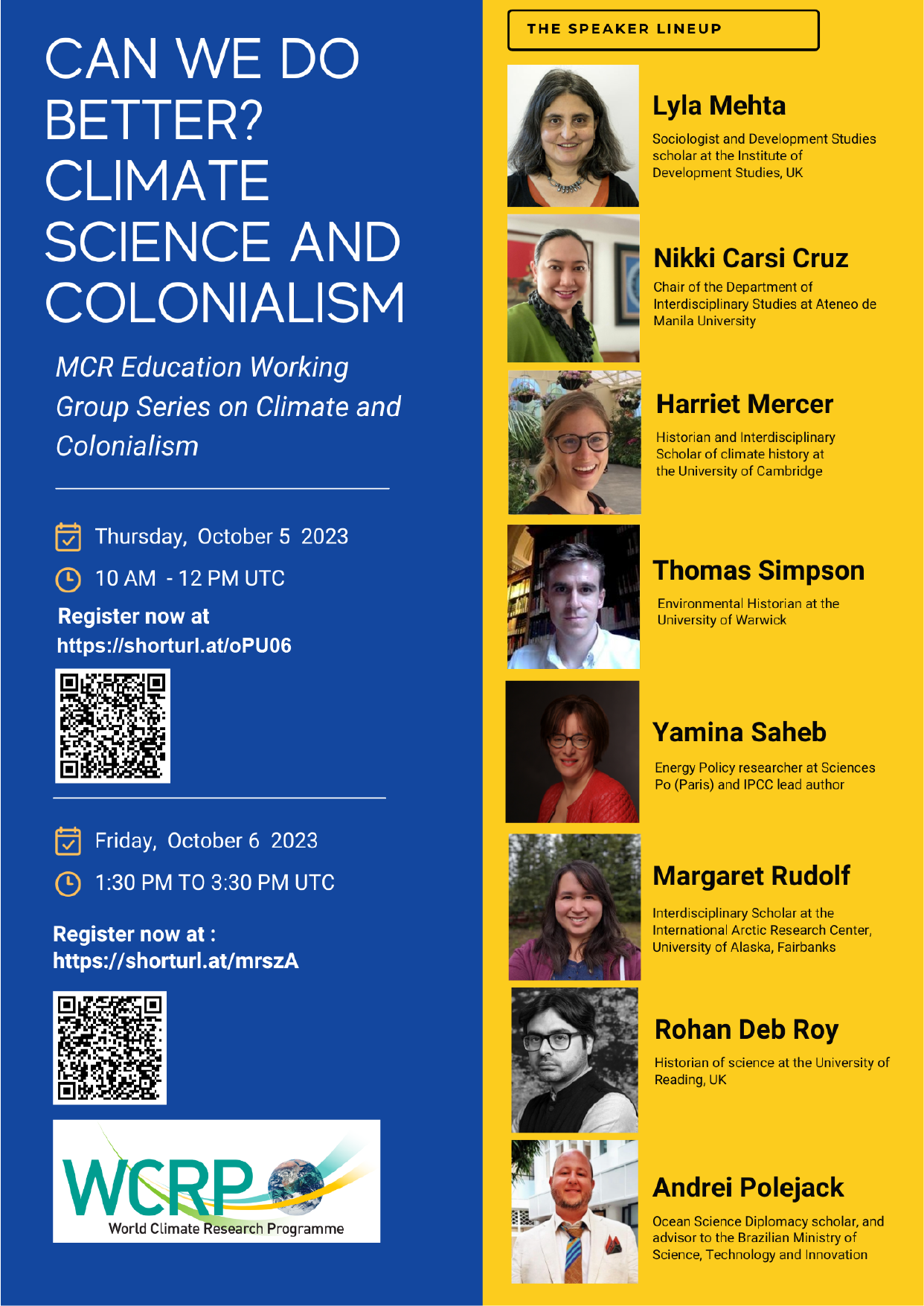
Can We Do Better? Climate Science and Colonialism - MCR Education Working Group Series on Climate and Colonialism
- Details
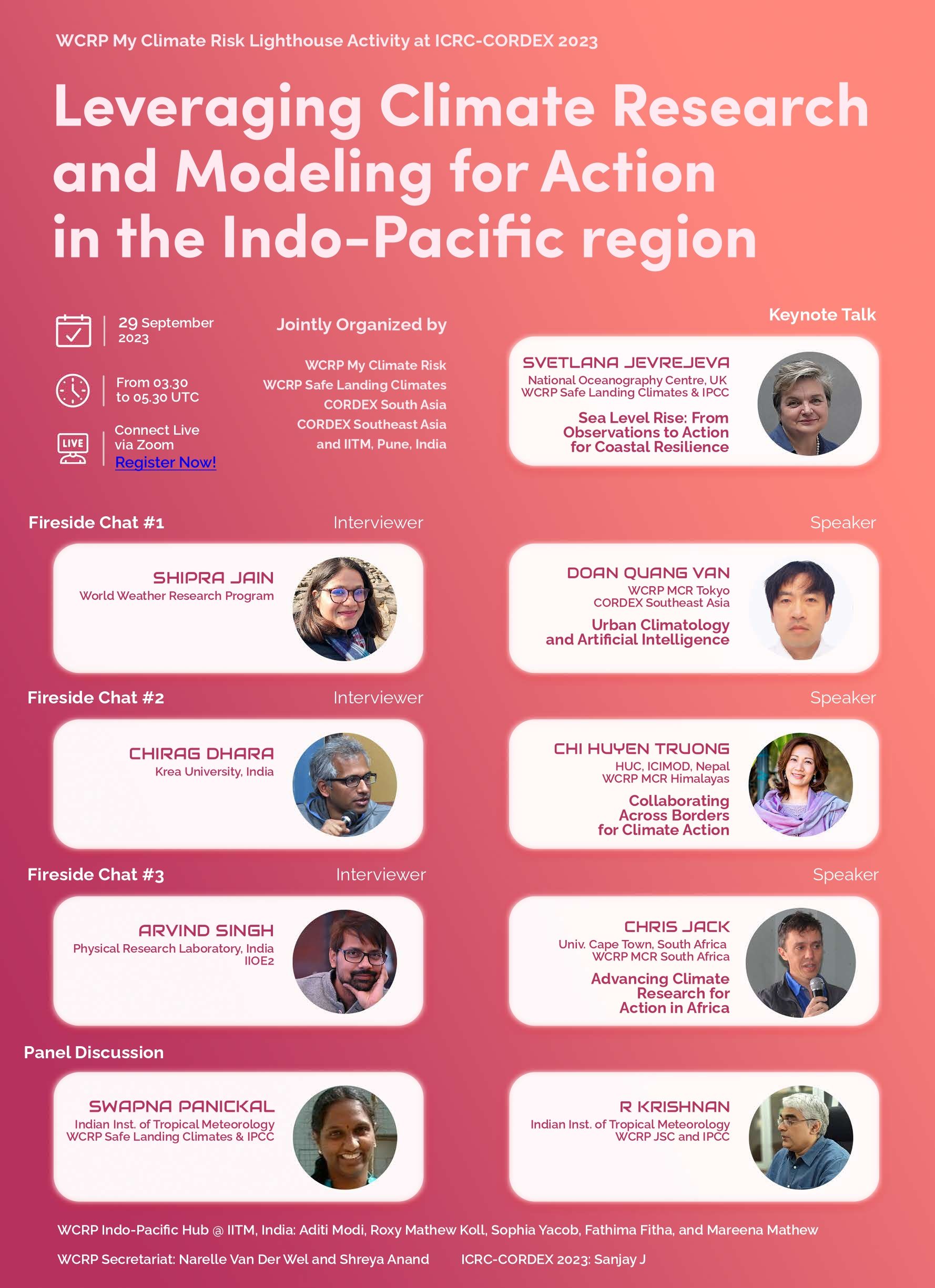
Don't miss our webinar on "Leveraging Climate Research and Modeling for Action in the Indo-Pacific region." Hosted by MCR IITM MCR Hub, this event will focus on the importance of climate research and modeling in driving actionable insights for the Indo-Pacific region. Learn how research can inform climate-related decisions and actions.
To register, click here.
- Details
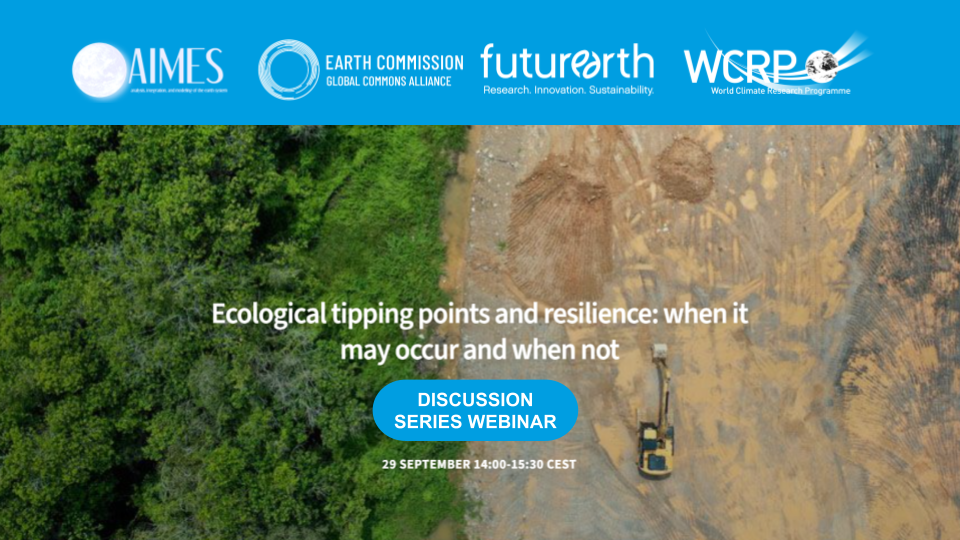
We invite you to the "Ecological Tipping Points and Resilience" webinar, part of the Tipping Points Discussion Series hosted by Safe Landing Climates. This session will explore the critical topic of ecological tipping points, addressing when they may occur and when they may not. Gain insights into the resilience of ecosystems in the face of environmental challenges.
Register here to attend the webinar.
- Details
Join us for an engaging webinar "Coproducción de conocimientos hidroclimáticos: experiencias desde la práctica" (Experiences of co-production of hydroclimatic knowledge and participatory science), hosted by the My Climate Risk Argentina hub. The webinar will be in Spanish, with simultaneous English translation.
To register, click here.
- Details

We are delighted to welcome Dr. Fanny Adloff as the Director of the new WCRP International Project Office (IPO) for the Earth System Modelling and Observations (ESMO) Core Project. Fanny will lead the IPO to coordinate the modelling, data assimilation and observational activities within ESMO, and to seek synergies with other WCRP activities and external partners to effectively tackle the ESMO scientific objectives towards the provision of science-based climate information.
Fanny will officially start her new position on 1 October 2023. New positions in the ESMO-IPO team will be open very soon.
- Details
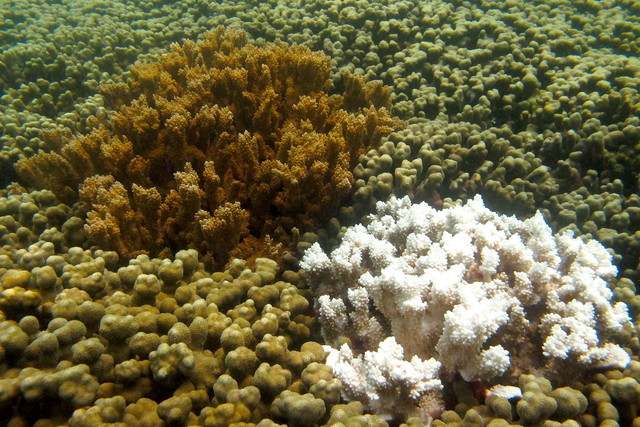
There has been a lot of discussion recently about the record warming trends that have been observed globally in recent months. This includes an observed basin-wide warming of the ocean and an increase in marine heatwaves. Marine heatwaves occur when ocean temperatures in a given region are well above average for an extended period of time. Warmer ocean temperatures impact the marine environment and associated ecosystems, and ocean heat can also fuel developing tropical cyclones. Leading ocean scientists have made a collective assessment of recent global trends and report on what we may expect in the future.
- Details

- Details

A new webinar series hosted by the CLIVAR-GEWEX Monsoons Panel, on global and regional monsoons, will begin at 07:00 UTC on 13 September 2023. The first webinar in this series will explore the global monsoon and will feature Dr Bin Wang (University of Hawaii) and Dr Annalisa Cherchi (National Research Council, Institute of the Atmospheric Science and Climate, Bologna). Dr Suryachandra Rao Anguluri (Indian Institute of Tropical Meteorology) will chair this webinar.
Check out the Monsoons Panel Webinar Series page to register.
- Details

The new Digital Earths Lighthouse Activity webinar series will start on 12 September 2023 at 15:00 UTC with a talk by Peter Caldwell (Lawrence Livermore National Laboratory, USA) on the “Successes and Challenges for the Simple Cloud-Resolving E3SM Atmosphere Model”.
Check the Digital Earths webinar series page to register for this event.
- Details
Fuentes de información climática. ¿cómo influyen nuestros valores y contexto?
23 August 2023, 14:00-15:30 UTC
This webinar will address the sources of information and lines of evidence used for the construction of climate knowledge. Is the physical science of climate an "objective" science or is it influenced by the context and values of the researcher? Also, are the sources of information that we choose important for the societal relevance of climate knowledge? To find out more and to register, click the heading above.

- Details
United Nations Secretary-General, António Guterres, presented the official news that July is on track to be the hottest month ever recorded. To learn more, click the heading above.

- Details
Early bird registration for the WCRP Open Science Conference (23-27 October 2023) has been extended to 25 July 2023. This will be the final date for participants to register at a reduced rate for the standard conference registration. Pre-registration for side events with a limited number of participants is also open now.
- Details
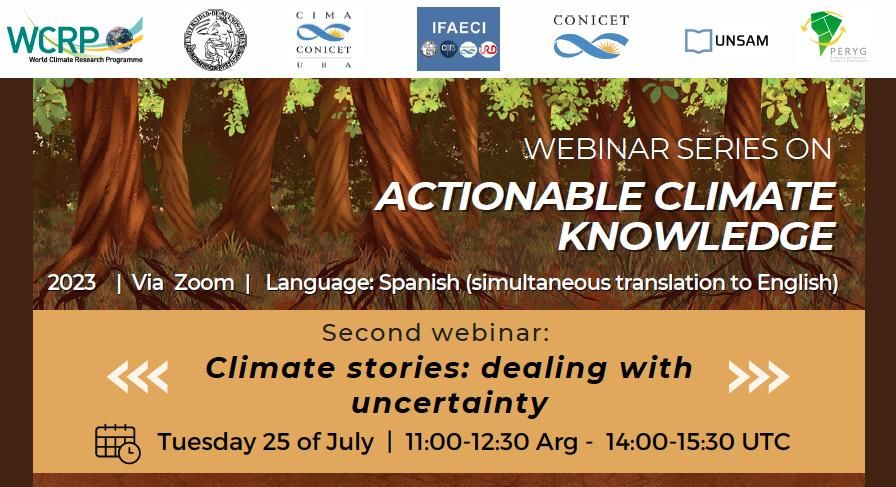
You are warmly invited to the second webinar in the series on “Actionable Climate Knowledge” hosted by the Argentinean Hub of the WCRP My Climate Risk Lighthouse Activity. This webinar will focus on the study of climate storylines and will have simultaneous interpretation in Spanish/English. For more information and the link to register, please click the heading above.
- Details
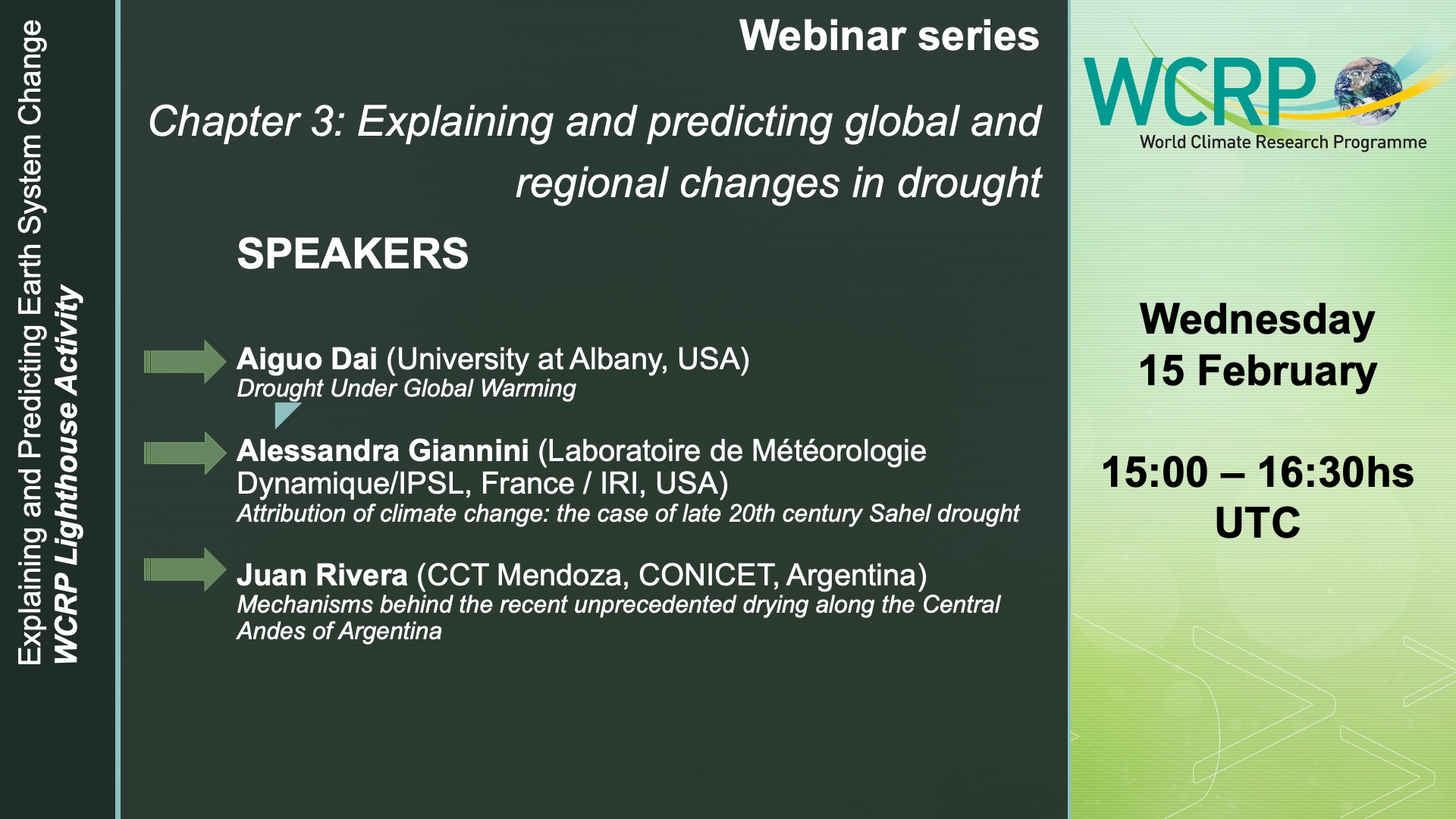
The WCRP Explaining and Predicting Earth System Change Lighthouse Activity invites you to join the 5th webinar of the series that will provide a discussion forum on topics focused on predicting and explaining a range of different climate phenomena and events, while supporting the further development of a scientific agenda. This fifth webinar will focus on recent changes and the human influence on the Earth Energy Imbalance.
SPEAKERS:
- Karina von Schuckmann (Mercator Ocean, France): Heat stored in the Earth system 1960–2020: where does the energy go?
- Norman Loeb (NASA, USA): Recent Changes in Earth’s Energy Imbalance
- Shiv Priyam Raghuraman (NCAR, USA): Clear evidence of human influence on Earth's energy imbalance
The event will take place on Wednesday 19th July 2023, from 14:00hs to 15:30hs UTC.
Registrations are free and can be done via https://EPESC-webinar-Earth-Energy-Imbalance.eventbrite.co.uk
- Details
The deadline for applications to the vacancy for the Director of the ESMO International Project Office, hosted by hosted by DKRZ in Hamburg, Germany, has been extended to 21st July.
The ESMO International Project Office (IPO) will provide overall support for the planning and implementation of the ESMO priorities and ensures appropriate international coordination and communication between the ESMO Scientific Steering Group (SSG), groups within their structure, and collaboration with related WCRP and other international programmes.
For more details about the ESMO position and how to apply, click here.
- Details
The program includes plenary presentations, a full lineup of keynote and oral speakers, and a schedule for lunchtime and evening side events. We will hear the latest from the experts on a wide range of topics, from seasonal forecasting to irreversible changes in the climate system.
Planning your trip to Rwanda for the WCRP Open Science Conference 2023? Take a look at the many sightseeing opportunities at https://wcrp-osc2023.org/practical-information/sightseeings!
See the Conference website for more information: https://wcrp-osc2023.org/

- Details
We invite you to attend the webinar: How do we address climate risk? Challenges from an interdisciplinary dialogue on 27 June, 11:00-12:30 Arg (14:00-15:30 UTC). This webinar is the first one in a series called "Actionable Climate Knowledge" from the Argentinean Hub of the WCRP My Climate Risk Lighthouse Activity. For more information and to register, click the heading above.

- Details
Polar scientists are calling for an urgent intensification of national and international research and observational capabilities in view of rapid Arctic and Antarctic change. The latest call to action is from the SCAR/CliC Expert Group on Antarctic Sea-Ice Processes & Climate (ASPeCt) and the CliC Arctic Sea Ice Working Group (ASIWG) in response to continuing observations of record low sea-ice extents, with the same messages heard strongly at the Antarctic Treaty Consultative Meeting that concluded in Helsinki last week.

Photo: Petra Heil (Australian Antarctic Program)
- Details
Three exciting leadership opportunities in WCRP International Project Offices (IPOs). WCRP invites applications for the posts of:
- Director of the CLIVAR (Climate and Ocean - Variability, Predictability, and Change) IPO, hosted by the Ocean University of China (OUC) in Qingdao, China
- Director of the RIfS (Regional Information for Society) IPO, hosted by Ouranos in Montreal, Canada
- Director of the ESMO (Earth System and Modelling Observations) IPO, hosted by DKRZ in Hamburg, Germany
The IPOs provide overall support for the planning and implementation of Core Project priorities and ensures appropriate international coordination and communication between their Scientific Steering Group (SSG), groups within their structure, and collaboration with related WCRP and other international programmes.
The director will assemble a team, define the IPO’s identity, and fulfill its mandate.
- More details about the CLIVAR position and how to apply, click here. – Deadline 30 June 2023
- More details about the RIfS position and how to apply, click here– Deadline 26 June 2023
- More details about the ESMO posiotn and how to apply, click here – Deadline 30 June 2023
For more details, click on the heading above.
- Details
'Cumulonimbus flammagenitus', or as they are more commonly known 'Pyrocumulonimbus' (pyroCb), is the name given to thunderstorms that form in the smoke plumes of fires. These large plumes of smoke are generated during massive fires on the Earth's surface, nuclear bomb blasts, and volcanic eruptions. When they reach a certain magnitude, they can generate large vertical clouds that cause meteorological phenomena such as electrical storms and tornadoes, in some extreme cases. In the case of a forest fire, the intense heat source generates hot air that rises upwards due to convection, and there is a mixing of gases and smoke particles. Energy is released through the condensation of water vapour, leading to the formation of a cumulus cloud from the smoke plume. In some cases, these clouds can develop into a thunderstorm, where ice particles can help to create lightning which in turn increases the risk of generating more and larger fires.

- Details
The Technical Report published by the Joint Research Center (JRC), the European Commission's science and knowledge service, provides evidence-based scientific support showing the impacts of the emerging drought that has been visible in Europe during the winter and spring months. Based on the observation of Combined Drought Indicators (CDI). These indicators combine meteorological, hydrological and biophysical variables captured by satellites as well as the temporal and spatial scales of the indicator and the geographical area where they occur, attempting to explain the drought conditions associated with impacts on available water sources.
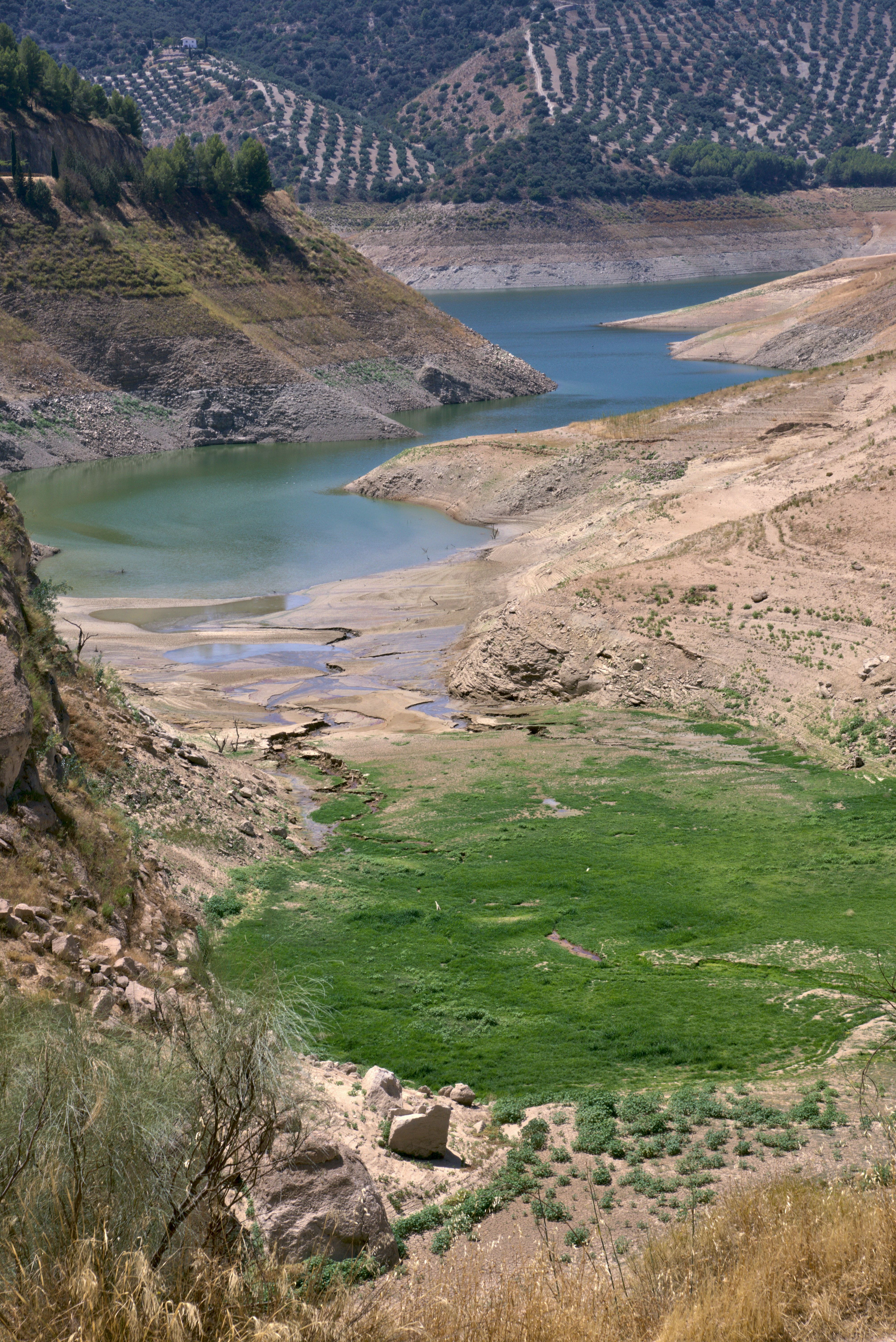
The CDI's provide an effective comparison to assess how the evolution of drought occurs over a given period of several years. The Global Drought Observatory in Europe published in March 2023, compares how the end of the winter season has been this year and the two previous years. The comparative shows that in the late winter months in 2021 the CDI's maintained normal conditions. However, in 2022 the indicators showed 'warming conditions' mainly in the southern regions of Europe. In contrast, in 2023, the indicators show that drought is affecting Central and Western parts of Europe. The three countries that have triggered the most warnings about the strongest impacts of drought on their water resources, agriculture and energy production are Italy, France and Spain. Significant evidence of drought has also been seen at the end of the winter season and in many cases has continued to trend through the spring months in Ireland, the UK, Switzerland, most of the Mediterranean islands, Black Sea regions such as Bulgaria, Romania and Greece.
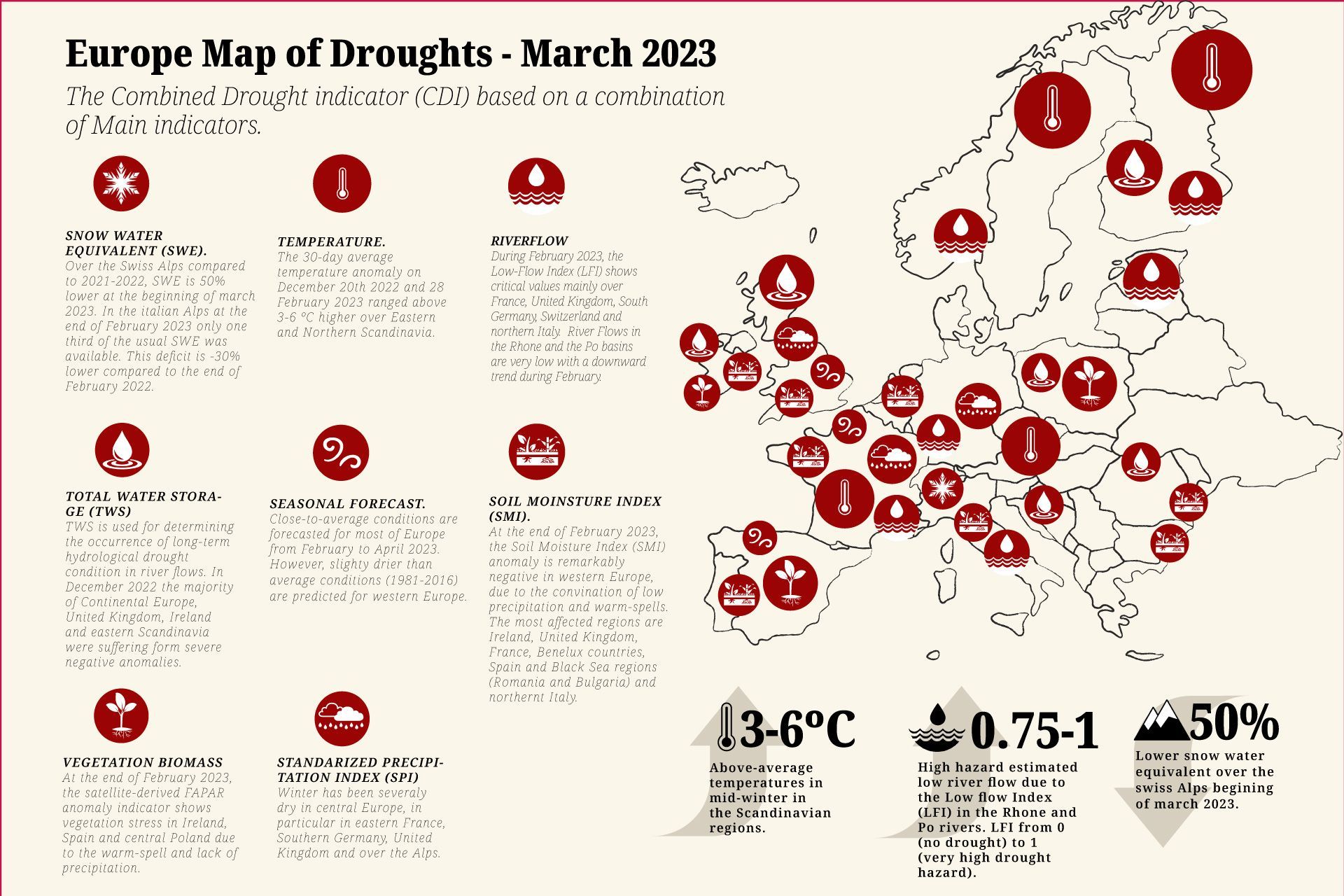
The Standardized Precipitation Index (SPI) shows the anomalies produced by the lack of precipitation compared to the usual average. In this case the SPI analyses the cumulative records over a 12-month period. The conclusion is that many parts of Europe have been accumulating negative or visibly below-average precipitation records over the last year. The year 2023 has started with anomalies in most of France, Germany, northern Italy, northern Poland and the Black Sea coast. The Temperature indicator shows the prolonged above-average temperatures occurring during the different seasons, compared to pre-industrial parameters. Between the period of late 2022 and early 2023, many regions of Europe have experienced high mid-winter temperatures, with Central Europe and eastern Scandinavia experiencing temperatures 3 to 6 °C above average. The UK, on the other hand, has experienced one of the warmest and driest winters in its history.
The most effective way to quantify the assessment of snow water resources is through the Snow Water Equivalent (SWE). It represents the amount of water stored at the top of the mountains. Comparing 2022-2023 with respect to the previous decade of 2011-2021, there have been periods during the winter season where only one third of the usual SWE was available. The Soil Moisture Index (SMI) together with the Total Water Storage (TWS) is used to determine long-term hydrological drought conditions. It also often serves as a proxy for the amount of groundwater available. Low precipitation records and above average warm temperatures show low soil moisture indicators especially in Western Europe in countries such as Spain, France, the UK, Italy, among others. Satellite records of vegetation stress in Europe are studying the loss and availability of Vegetation Biomass. Southern Spain is particularly vulnerable and may be at increased risk of drought and vegetation loss during the summer months, after having experienced an extremely hot April, reaching temperatures of 38°C.
The evolution of river flow is another important indicator of the progress of the drought. As rivers are one of the most important water sources, it is determined by the River Flow Index (SLI). There are some areas in Europe, such as the Rhone and Po basins, where critical river flow values are expected to be reached by 2023. The Global Drought Observatory Analytical Report in early March reflected extremely warm conditions across Europe which have continued to record anomalies in CDI (Lack of precipitation and warmer-than-average temperatures) in central and southern regions during May 2023. Close monitoring is required to understand the impacts expected for the coming growing season.
Bibliography.
Global Drought Observatory Analytical Report. Toreti, A., Bavera, D., Acosta Navarro, J., Arias-Muñoz, C., Avanzi, F., Marinho Ferreira Barbosa, P., De Jager, A., Di Ciollo, C., Ferraris, L., Fioravanti, G., Gabellani, S., Grimaldi, S., Hrast Essenfelder, A., Isabellon, M., Jonas, T., Maetens, W., Magni, D., Masante, D., Mazzeschi, M., Mccormick, N., Meroni, M., Rossi, L., Salamon, P. and Spinoni, J., Drought in Europe March 2023, EUR 31448 EN, Publications Office of the European Union, Luxembourg, 2023, ISBN 978-92-68-01068-6, doi:10.2760/998985, JRC133025.
- Details
We are delighted to announce that the registration is open for the WCRP Open Science Conference, that will be held in Kigali, Rwanda, and online on 23-27 October 2023.
Register online following the instructions available at https://wcrp-osc2023.org/registration.
- Deadline for Early Bird registration: 15 July 2023
- Accommodation: Preferential rates have been secured for the WCRP Open Science Conference delegates at hotels in Kigali, to book your hotel room click here
To know more about the WCRP Open Science Conference, please see the website.
- Details
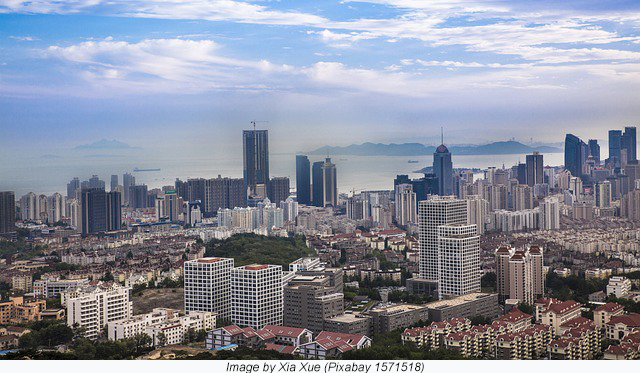
WCRP is delighted to announce that the International CLIVAR Project Office (ICPO) is now being hosted by the Ocean University of China, Qingdao, after being hosted by the First Institute of Oceanography (FIO), Ministry of Natural Resources of China for almost nine years. WCRP thanks FIO for its outstanding contributions to facilitating international ocean research. The ICPO will continue its strong support to ensure CLIVAR’s mission to understand the dynamics, the interaction, and the predictability of the climate system with emphasis on ocean-atmosphere interactions.
For more details, click on the heading above.
- Details
WCRP is delighted to announce that the German Climate Computing Center (DKRZ) has been selected to host the new International Project Office (IPO) of the Earth System and Modelling Observations (ESMO) Core Project.
For more details, check the press release on the DKRZ website.